Zojoji Temple
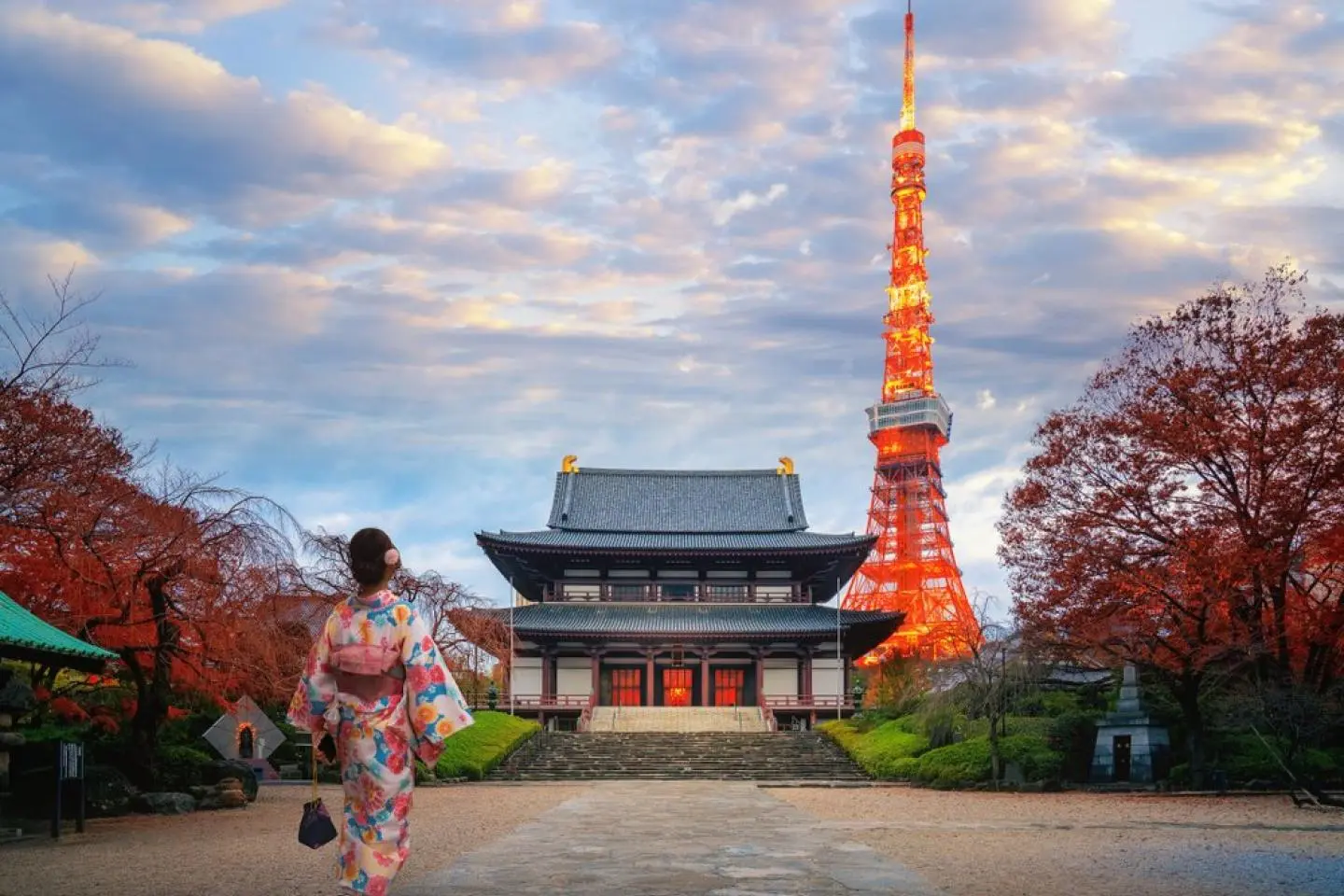
Photo: anek.soowannaphoom / Shutterstock.com
Notice
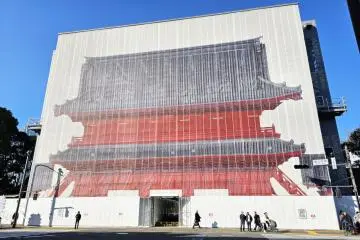
The main gate, Sangedatsumon, has been undergoing a ten-year restoration project since April 2025. Access to the main temple is unaffected.
Overview
/139.7482679,35.6573764,8/360x120?access_token=pk.eyJ1IjoiamFwYW50cmF2ZWxtYXBzIiwiYSI6ImNqbXBtOXYxbDB5Z3ozbHFrazJuYWMwOGYifQ.v15fy_mcFWtgopmz8PhwqA)
Address
4 Chome-7-35 Shibakoen, Minato City, TokyoHours
9:00 - 17:00 Closed nowOpening Hours
Monday
9:00 - 17:00
Tuesday
9:00 - 17:00
Wednesday
9:00 - 17:00
Thursday
9:00 - 17:00
Friday
9:00 - 17:00
Saturday
9:00 - 17:00
Sunday
9:00 - 17:00
Holidays
9:00 - 17:00
Price
Website
zojoji.or.jpHighlights
Sangedatsumon (Main Gate)
The Sangedatsumon, built in 1622 by the shogun’s chief carpenter, is the only original surviving building at Zojoji Temple and one of Tokyo’s oldest wooden structures, designated an Important Cultural Property. Its architectural style blends early Chinese Buddhist influences—seen in the hip-and-gable roof—with simpler Japanese elements, and its vermillion exterior made it a famous landmark in Edo. The closed second floor houses Edo-period Buddhist statues, and unlike many temple gates, it lacks fierce guardian figures because the Jodo Buddhism practiced here emphasizes salvation being accessible to all through chanting “Namu Amida Butsu.”
Daibonsho (Big Bell)
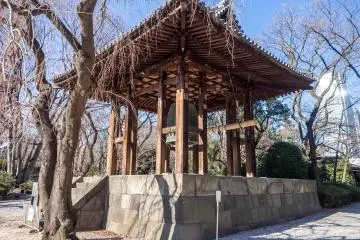
Completed in 1673 after seven casting attempts, this 15-ton bell—measuring 3.33 meters high and 1.76 meters in diameter—is considered one of the three great bells of the Edo period. It is rung six times in the early morning and six times in the evening to mark the hours and symbolically purify the 108 earthly desires (bonno) in Buddhist belief.
Overview
Address
4 Chome-7-35 Shibakoen, Minato City, TokyoHours
9:00 - 17:00 Closed nowOpening Hours
Monday
9:00 - 17:00
Tuesday
9:00 - 17:00
Wednesday
9:00 - 17:00
Thursday
9:00 - 17:00
Friday
9:00 - 17:00
Saturday
9:00 - 17:00
Sunday
9:00 - 17:00
Holidays
9:00 - 17:00
Price
Website
zojoji.or.jpZojoji Temple